VISIT GHANA — TRAVEL & TOURISM GUIDE
36 members · Travel & Places
Discover Ghana
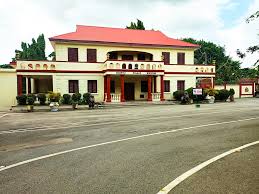
Manhyia Palace Museum – Kumasi Why visit: Former seat of the Asantehene, showcasing royal regalia, gold artifacts, and Ashanti Kingdom history for an immersive cultural experience.
By Discover Ghana
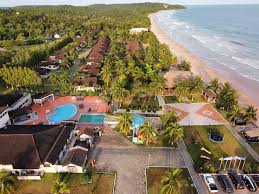
Busua Beach – Busua, near Takoradi. Why visit: One of Ghana’s most popular beaches for surfing, swimming, and relaxed seaside stays.
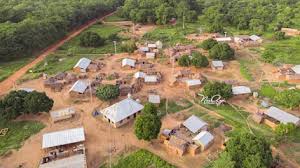
Mognori Eco-Village – Near Mole National Park Why visit: You get canoe rides, village life, traditional food, and a strong community-based tourism experience.
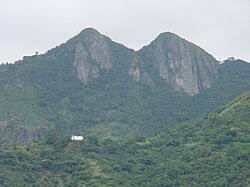
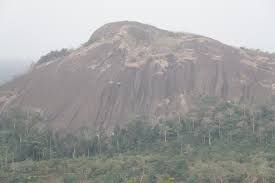
Breast Mountains at Odomi – Odomi area Why visit: The oddly shaped mountains are a standout landscape feature and a great place for sightseeing and photography.
Kyabobo National Park – Near Nkwanta, on the Togo border Why visit: It is one of Ghana’s best adventure parks, with mountain scenery, wildlife, and views of Lake Volta from Mount Dzebobo.
Mim Rocky Mountains – Mim Why visit: A scenic rocky landscape that is great for hiking, photography, and enjoying cool, quiet nature.
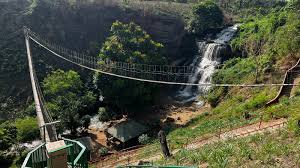
Nchiraa Waterfalls – Near Wenchi Why visit: A beautiful waterfall reached by a rewarding hike, with scenic countryside all around and nearby ancestral caves to explore.
Boabeng-Fiema Monkey Sanctuary – Near Techiman Why visit: Sacred community-protected forest where colobus and green monkeys roam freely, offering a unique, close-up wildlife experience tied to local traditions.
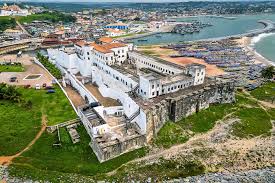
Cape Coast Castle – Cape Coast Why visit: Iconic slave castle with dungeons and the "Door of No Return," offering a profound look at transatlantic slave trade history.
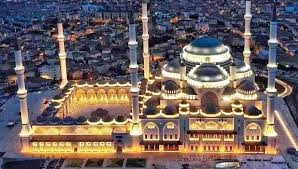
National Mosque Complex – Kanda, Accra Why visit: It is an important religious landmark and one of the city’s most striking modern buildings.
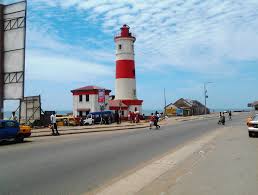
Jamestown Lighthouse – Jamestown, Accra Why visit: It gives you great views of the coast and lets you explore one of Accra’s oldest, most historic districts.
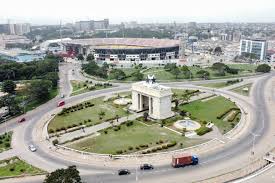
Black Star Square / Independence Square – Accra Why visit: This is the symbol of Ghana’s freedom and a major ceremonial ground, so it is a must-see for national pride and photos.
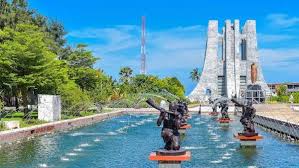
Kwame Nkrumah Memorial Park and Mausoleum – Accra Why visit: It is one of Ghana’s most important national monuments and a powerful place to learn about the country’s independence history.
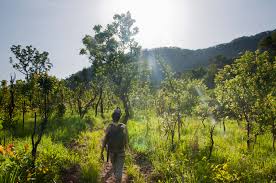
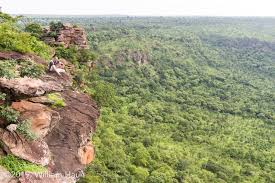
Gambaga Escarpment – Near Gambaga and stretching toward Nalerigu and Nakpanduri. Why visit: It offers dramatic cliffs, wide views, and some of the most striking landscapes in northern Ghana.
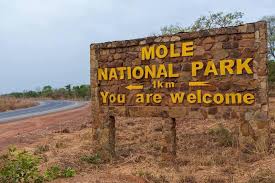
Mole National Park — Damongo area (Northwest Savannah Region) Ghana's largest and most celebrated national park, covering approximately 4,840 sq km of protected savanna. The main draw is wild elephants — you can encounter them on foot during guided walking safaris, which is an extraordinarily rare experience anywhere in West Africa. Beyond elephants, the park is home to warthogs, baboons, various antelope species, crocodiles, and over 300 bird species. Both walking safaris and jeep safaris are available. The dry season (November to April) is the best time to visit, as animals congregate around the watering holes and are easier to spot.
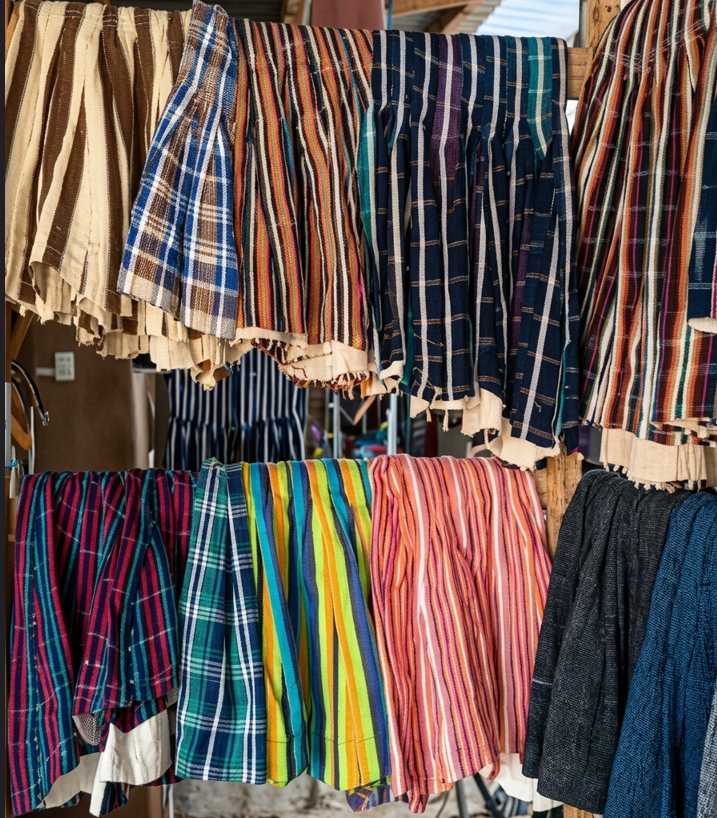
Bolgatanga Smock Market — Bolgatanga The Upper East is the heartland of Ghana's famous fugu smock — the hand-woven, striped garment worn across the country. In Bolgatanga's smock market, you can watch artisans weaving on traditional looms, commission custom pieces, and buy directly from the makers at fair prices. It's a living craft tradition, not a tourist shop. Open daily 8am–6pm.
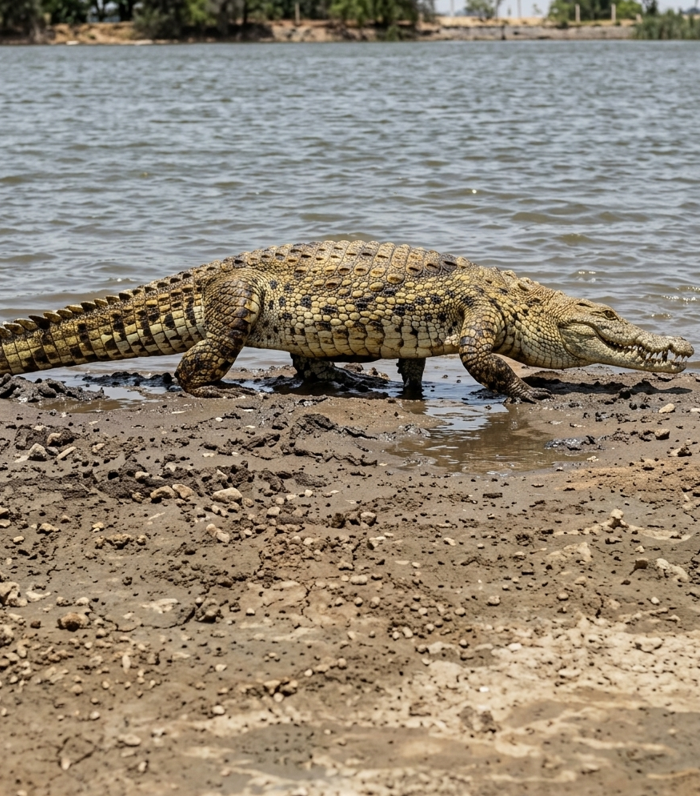
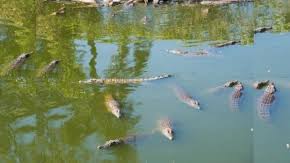
Paga Crocodile Pond — Paga (near the Burkina Faso border) This is probably the most famous attraction in the region. The sacred pond is home to wild crocodiles that locals believe carry the spirits of their ancestors — and remarkably, you can get close enough to touch them. It's a genuinely rare wildlife experience with deep cultural significance. Horse riding is also available at the site.
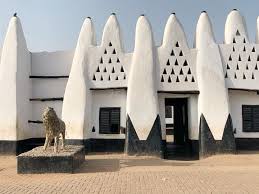
Wa Naa Palace — Wa The traditional palace of the Wa Naa (paramount chief of Wa) is a window into the royal and cultural heritage of the Wala people. Set in the older, historic quarter of Wa near the central mosque, the palace compound and its surroundings reflect the architectural and social traditions of the region. Worth visiting alongside the mosque as part of an afternoon in central Wa.
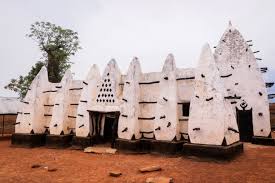
Larabanga Ancient Mosque — Larabanga (near Damongo, southern tip of the region) Widely regarded as one of the oldest mosques in West Africa and a masterpiece of Sudano-Sahelian architecture — the same style seen in Mali's famous mosques. Built from mud and wood with distinctive protruding timber beams, it has been in continuous use for centuries and is considered a national monument. It sits just off the road to Mole National Park, making it a natural stop on any northern Ghana itinerary. Note that it's a functioning place of worship, so respectful behavior and appropriate dress are expected.
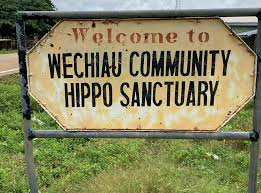
Wechiau Community Hippo Sanctuary — Wechiau (about 70km from Wa) One of only two places in Ghana where you can see wild hippopotamuses in their natural habitat. The experience is a guided canoe ride along the Black Volta River through beautiful riparian vegetation, with spotters watching for hippos along the banks. The sanctuary is entirely community-run, meaning your entrance and guide fees go directly into the local community. It's open 24 hours, though early mornings give you the best sightings. A genuinely thrilling and peaceful experience.
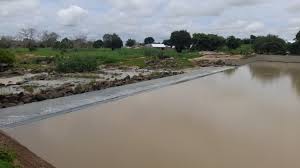
Vea Dam & Spillway — near Bolgatanga A quieter, scenic stop — the Vea Dam is a beautiful site for photography, birdwatching, and simply enjoying the landscape of the Upper East. The surrounding wetlands attract a variety of bird species, and the spillway itself is visually striking, especially after the rainy season.
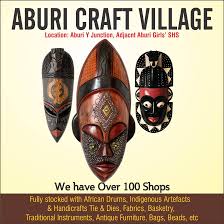
Aburi Crafts Village – Aburi Why visit: Artisan workshops making pottery, wood carvings, and textiles – buy souvenirs directly from makers.
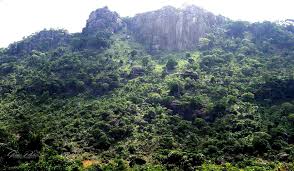
Shai Hills Resource Reserve – Near Dodowa (Eastern Region edge) Why visit: Granite hills, wildlife like antelopes and baboons, plus ancient caves and carvings for hiking and history.
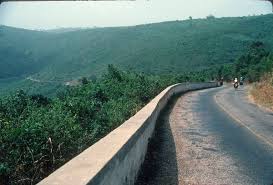
Akwapim Ridge – Along the ridge from Aburi to Akropong Why visit: Scenic escarpment with viewpoints, walking paths, and colonial history sites for relaxed hikes and vistas.
Aburi Botanical Gardens – Aburi, Akuapem Hills Why visit: 65‑hectare garden with exotic plants, trees, and cool hilltop views – excellent for walks, birdwatching, and escaping Accra's heat.
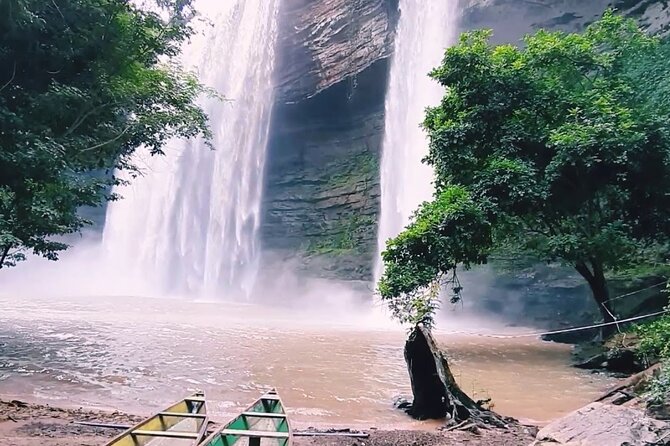
Boti Falls (and nearby Umbrella Rock, Fertility Rock) – Near Huhunya, north of Koforidua Famous twin waterfalls in a forest reserve, often called “male” and “female,” with nearby rock formations like Umbrella Rock and Fertility Rock. Why visit: Classic Eastern Region day trip for swimming, photos, and a short hike to unique rock landmarks plus local folklore.
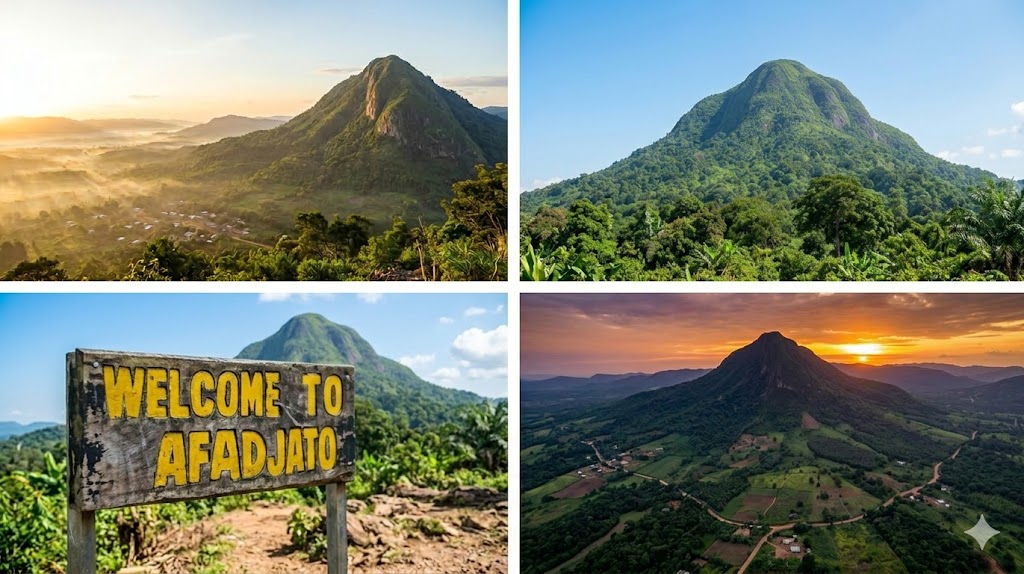
Mount Afadjato - Near Gbledi and Liate Wote, Hohoe District About 885 m high, commonly cited as Ghana’s highest mountain. Why visit: A steep but short hike that rewards you with wide views over Togo ranges and the Volta landscape.
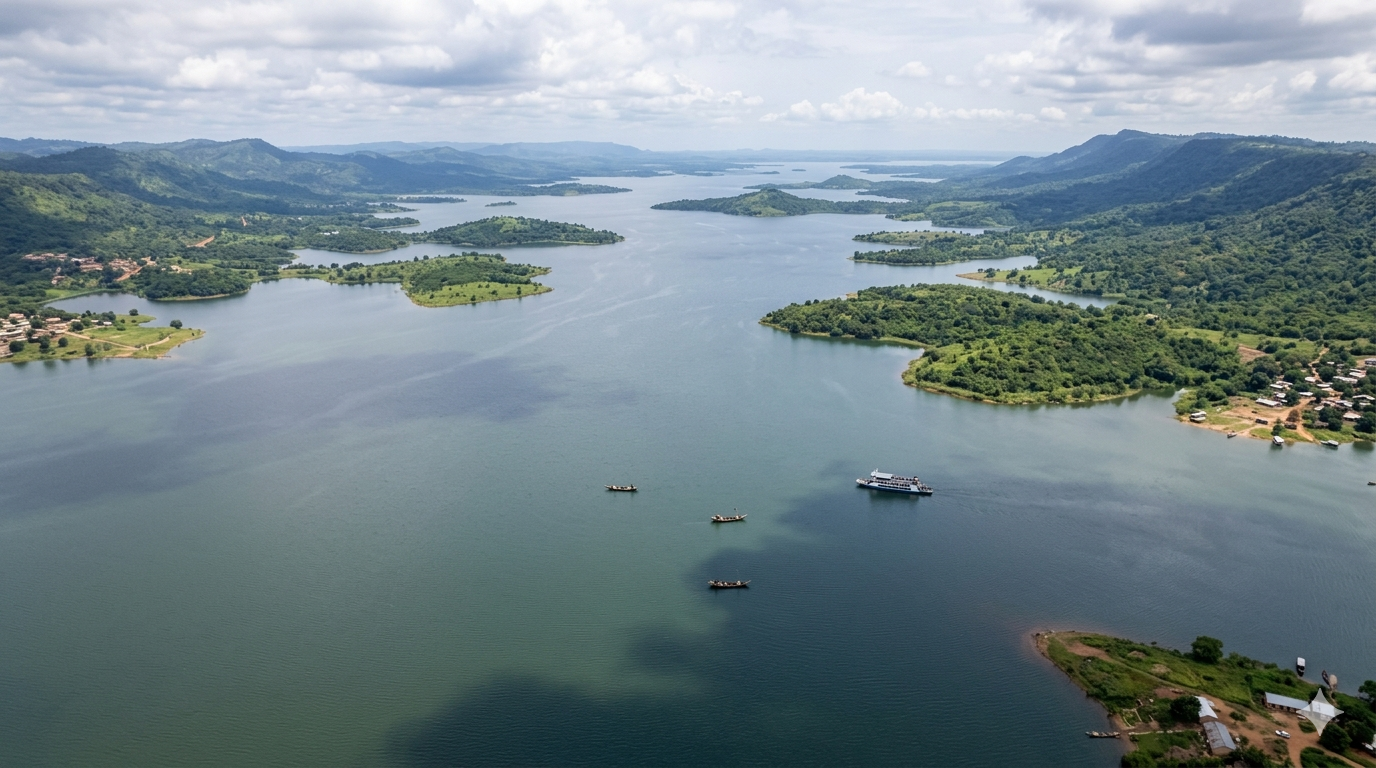
Lake Volta (Volta shore in Volta Region) – Along the western edge of the region Part of the world’s largest man‑made lake, with bays and islands. Why visit: Boat trips, fishing scenes, and wide‑open water views, especially at sunrise or sunset.
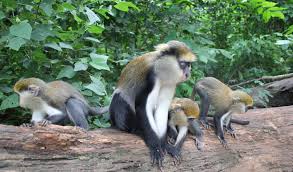
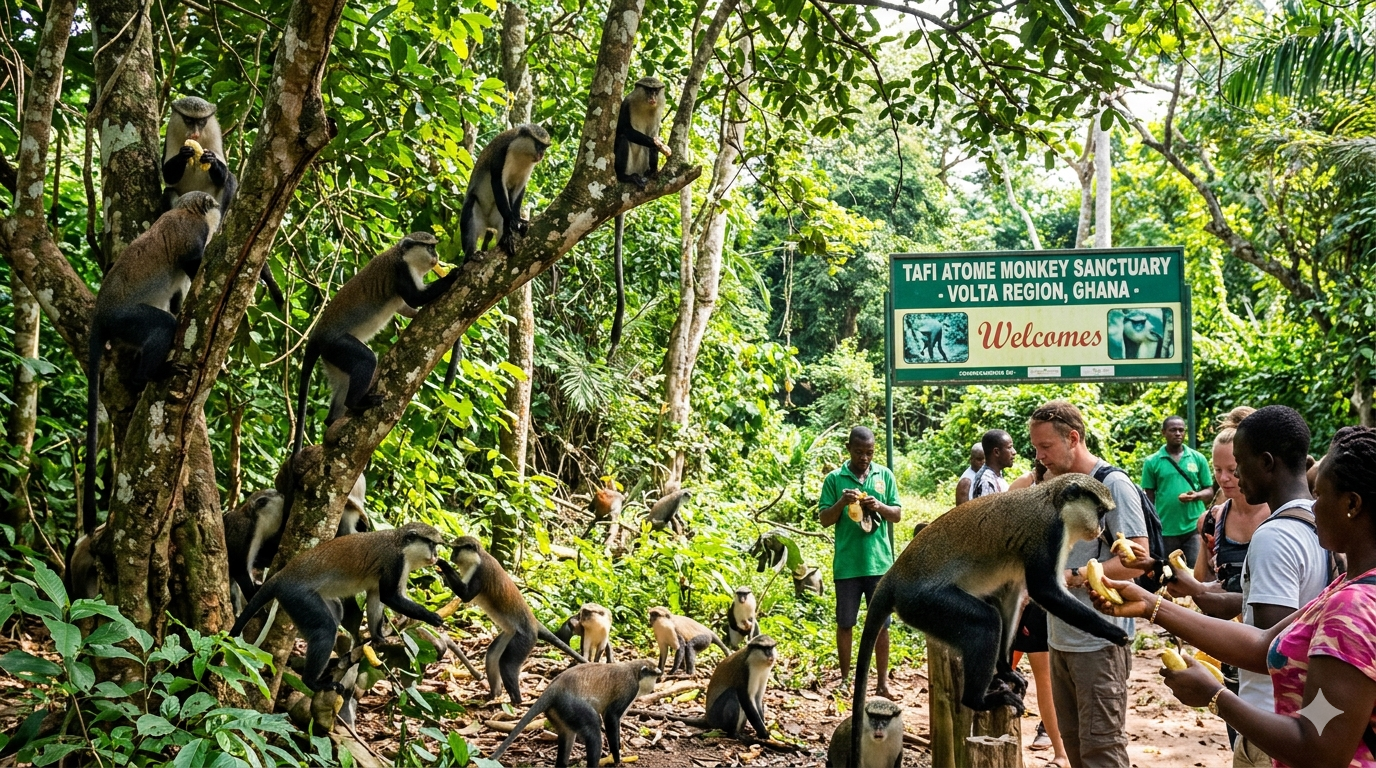
Tafi Atome Monkey Sanctuary – Tafi Atome village, Hohoe District Community‑protected sacred grove hosting Mona monkeys. Why visit: You can walk among free‑roaming monkeys, support community ecotourism, and learn about Ewe spiritual traditions.
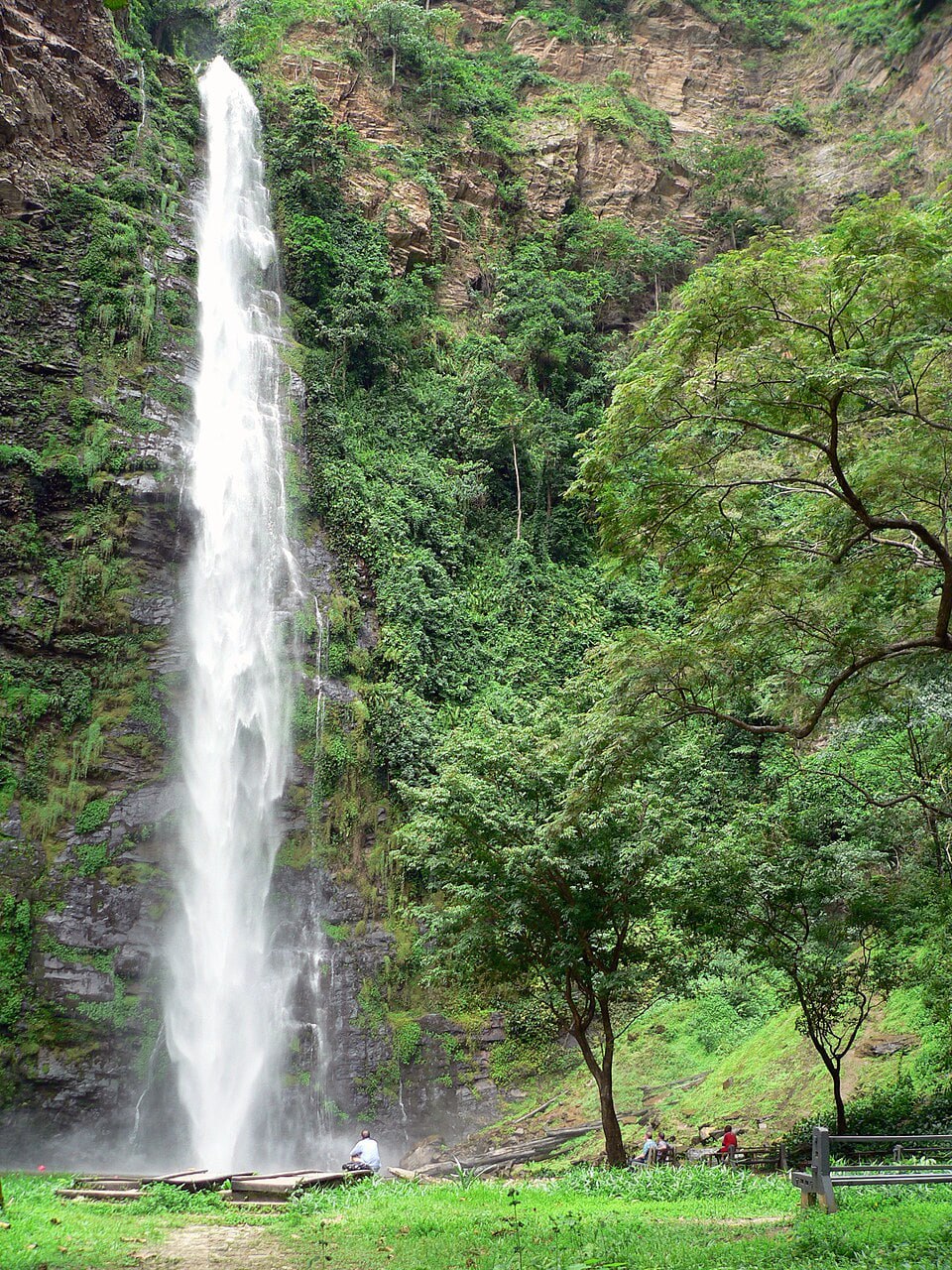
Wli Waterfalls – Near Hohoe, eastern Volta Tall, two‑stage waterfall in lush forest, often called the tallest in West Africa. Why visit: Easy, beautiful hike with a dramatic curtain of water and a cool pool at the base, great for photos and refreshing dips.
You must log in to access this part of the Knitcha.
Browse all VISIT GHANA — TRAVEL & TOURISM GUIDE resources